Table of Contents
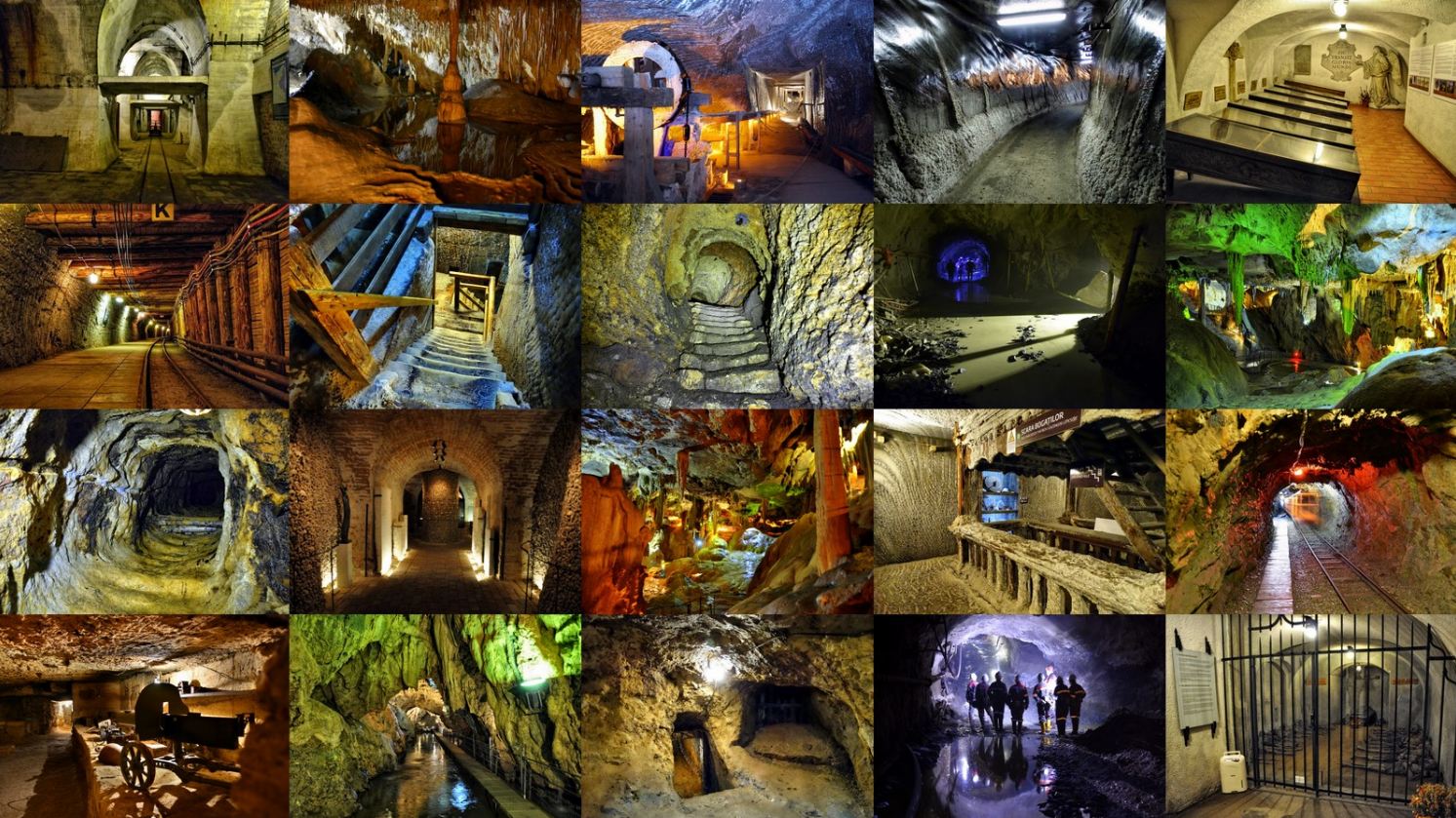
Hidden beneath the surface of our planet lies an extraordinary world that many travelers never see. From vast cave systems and ancient underground cities to deep mines and mysterious catacombs, underground attractions reveal a completely different face of Earth’s natural and cultural heritage. These places fascinate not only with their scale and geological uniqueness but also with the history, legends, and human ingenuity connected with their exploration and use.
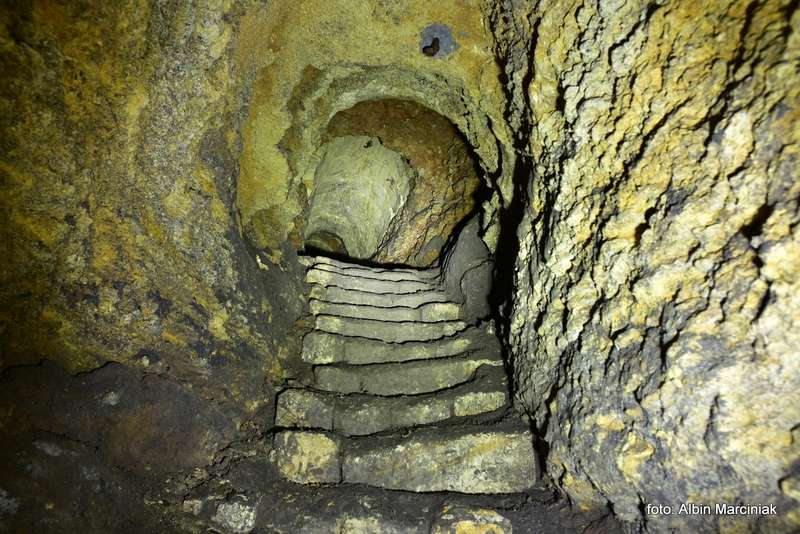
Catacomb Ukraine underground
Around the globe, there are hundreds of underground sites open to visitors, but only a few truly stand out because of their size, uniqueness, or global records. Some are the longest caves ever discovered, others are the deepest mines accessible to tourists, while still others are immense underground labyrinths created either by nature or by human hands centuries ago.
The following list presents the Top 50 largest underground tourist attractions in the world – places that attract explorers, travelers, and adventure seekers from across the globe. Many of them hold world records, such as the deepest tourist route on Earth, the longest gypsum cave, or the largest underground labyrinth ever mapped. Together they form an extraordinary collection of destinations that prove the most fascinating journeys often lead below the surface of the Earth.
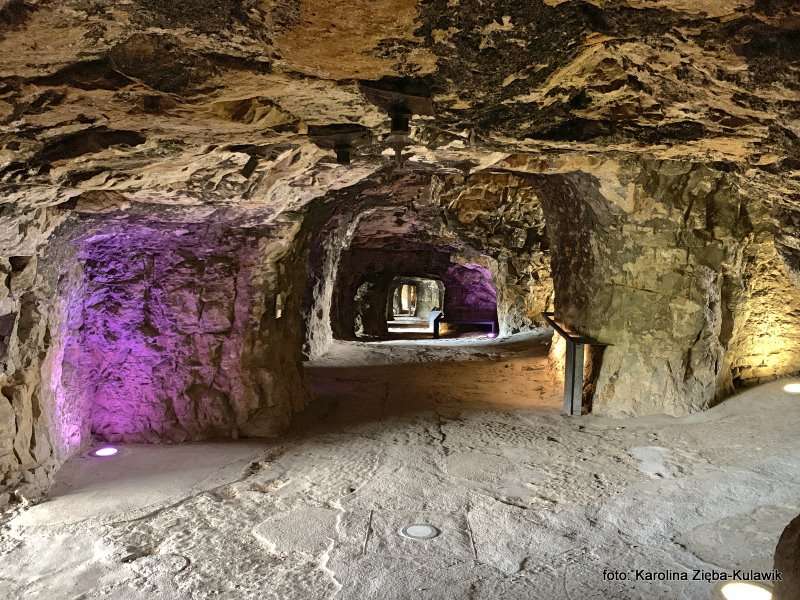
Casemates_du_Bock_Luxembourg underground
1. The Largest Caves in the World (Natural Underground Wonders)
-
Hang Sơn Đoòng – the largest cave in the world – Location: Quảng Bình, central Vietnam Length: approximately 9 km Highest chamber: up to 200 m high and 150 m wide
-
Mammoth Cave – the longest cave system in the world – Location: Edmonson County, Kentucky, USA Length of discovered tunnels: over 680 km
-
Sarawak Chamber – the largest cave chamber in the world – Location: Gunung Mulu National Park, Sarawak, Malaysia Formation Type: Limestone karst chamber Length: approx. 600 m Width: approx. 415 m Height: approx. 80 m
-
Deer Cave – Length: approx. 2.16 km Ceiling height: up to 174 m Discovered: 1961 Location: Sarawak, Malaysia Fauna: approx. 2–3 million bats (12 species)
-
Carlsbad Caverns – Location: Eddy County, New Mexico, USA Largest chamber: Big Room – 1,800 meters long, 255 meters high Number of known caves: Over 120
-
Puerto Princesa Underground River – Location: Palawan, Philippines Length of the underground river: approximately 8.2 km
-
Waitomo Glowworm Caves – Location: Waitomo, Waikato, New Zealand Main attraction: Fireflies (Arachnocampa luminosa)
-
Škocjan Caves – Location: Karst region, Slovenia Status: UNESCO World Heritage Site River: Reka (flows through the cave system) Length of discovered passages: approximately 6 km Largest chamber: up to 120 m high and 300 m wide
-
Postojna Cave – Length of the system: approximately 24 km, of which 5 km are open to tourists. River forming the cave: Pivka
-
Eisriesenwelt Ice Cave – Length of the system: approximately 24 km, of which 5 km are open to tourists. River forming the cave: Pivka
2. Largest Cave Systems in Europe
-
Optymistychna Cave – the longest gypsum cave in the world – Location: Korolivka, Ternopil Oblast, Ukraine Length of discovered tunnels: approximately 264 km (2024 km) Depth: 20–80 m underground
-
Aggtelek Cave System – Northern Hungary, near the border with Slovakia Total length of the system: approximately 30 km (Baradla–Domica) UNESCO World Heritage List Number of caves in the region: over 1,000
-
Dobšinská Ice Cave – Location: Slovak Paradise, Slovakia Length of corridors: approximately 1.2 km (approx. 515 m for visitors) UNESCO World Heritage List
-
Frasassi Caves – Location: Genga, Ancona Province, Marche Region System length: approximately 30 km (approximately 13 km of explored corridors)
-
Cueva de Nerja – Location: Maro (Nerja), Málaga Province, Spain Corridor Length: Approximately 4.8 km Largest Chamber: The Cataclysm Chamber – a column listed in the Guinness Book of Records
-
Grotta Gigante – Location: Borgo Grotta Gigante 42/A, Sgonico (Trieste, Italy) Corridor length: approximately 719 m Depth: 252 m
-
Raj Cave – Location: Malik Hill, Świętokrzyskie Mountains, Chęciny, Poland Total length: approximately 240 m; tourist trail: 180 m
-
Niedźwiedzia Cave – Location: Kletno, Śnieżnik Massif, Eastern Sudetes, Poland Corridor length: approximately 5 km Depth: over 100 m
3. The Largest Underground Cities in the World
-
Derinkuyu Underground City – Location: Derinkuyu, Nevşehir Province, Cappadocia, Türkiye Depth: approximately 60–85 meters Number of levels: up to 18 (8 open to visitors)
-
Kaymakli Underground City – Location: approximately 20 km south of Nevşehir, Turkey Number of levels: 8 (4 open to the public) Building: ca. 8th–7th century BCE
-
Özkonak Underground City – Location: Özkonak, Nevşehir Province, Cappadocia Period of construction: from the 4th century BC, development during the Roman and Byzantine periods Number of levels: up to 10 (4 open to visitors)
-
Beijing Underground City – Area: approximately 85 km of tunnels Depth: 8–18 m underground Planned capacity: up to 300,000 people
-
Naours Underground City – Location: Naours, 15 km north of Amiens, France Depth: approximately 33 m underground Size: over 2 km of corridors, 28 galleries, 300 rooms
-
Longyou Caves – Location: Longyou County, Quzhou, Zhejiang, China Number of caves: 24 (several open to tourists) Age: over 2,000 years old (Han period or earlier) Chamber height: up to 30 m; total area: ≈ 30,000 m²
4. The Largest Underground Labyrinths and Tunnel Systems
-
Odessa Catacombs – the largest underground labyrinth in the world – Location: Odesa, Ukraine System length: approximately 2,500–3,000 km Greatest depth: up to 60 m below sea level
-
Paris Catacombs – Location: 1 Avenue du Colonel Henri Rol-Tanguy, 75014 Paris Date of construction: Late 18th century (1785–1787) Contents: Remains of approximately 6 million people Length of accessible route: Approximately 1.5 km
-
Naples Underground – Location: Piazza San Gaetano 68, Naples, Italy Depth: approximately 40 m (120 ft) underground Network length: approximately 450 km of tunnels
-
Edinburgh Vaults – Location: South Bridge, Old Town, Edinburgh, Scotland Bridge completed: 1788 Number of arches: 19 (of which the vaults were constructed)
-
Seattle Underground – Location: Pioneer Square, Seattle, Washington, USA Foundation: After the Great Seattle Fire of 1889
5. The Largest Tourist Mines in the World
-
Wieliczka Salt Mine – Location: Wieliczka, Poland Beginning of operation: 13th century Corridor length: approximately 300 km Depth: up to 327 m UNESCO heritage site
-
Bochnia Salt Mine – Location: Bochnia, Lesser Poland, Poland Extraction began: around 1248 UNESCO World Heritage List
-
Turda Salt Mine – Location: Turda, Cluj County, Romania Depth: Up to 120 m underground Deepest chamber: Terezia – 112 m
-
Hallstatt Salt Mine – Location: Hallstatt, Upper Austria Foundation: ca. 5000 BCE Entrance altitude: approx. 855 m above sea level
-
Hallein Salt Mine – Location: Ramsaustraße 3, 5422 Bad Dürrnberg, Hallein Oldest mining operations: approx. 5000 B.C. Length of tunnels: approx. 65 km (13 km accessible)
-
Idrija Mercury Mine – Location: Idrija, western Slovenia Beginning of mining: ca. 1490 Closure of mine: 1995 UNESCO status
-
Rammelsberg Mine – Location: Goslar, Lower Saxony, Germany Excavation began: ca. 10th century UNESCO site
-
Almadén Mercury Mine – Location: Almadén, Ciudad Real Province, Spain Period of activity: From antiquity to 2003 UNESCO World Heritage List
-
Big Pit National Coal Museum – Location: Blaenavon, Torfaen, Wales, United Kingdom
-
Kryvyi Rih Iron Ore Mine – the deepest tourist route in the world – Location: Kryvyi Rih, Dnipro Oblast, Ukraine
6. Underground Tunnels and Military Complexes
-
Cu Chi Tunnels – Location: Củ Chi Province, near Ho Chi Minh City Network length: approximately 250 km
-
Riese Complex – Location: Owl Mountains, Lower Silesia, Poland Estimated area: approximately 25,000 m² of documented tunnels
-
Bunk’Art – Location: Rruga Fadil Deliu, Tirana, Albania Area: approximately 3,000 m², five stories underground
-
Kelvedon Hatch Nuclear Bunker – Location: Kelvedon Hatch, Brentwood, Essex CM15 0LA, England Depth: Approximately 38 m (125 ft) underground
7. Other Extraordinary Underground Attractions
-
Thrihnukagigur Volcano – access to the magma chamber – Bláfjöll, approx. 20 km from Reykjavík
-
Reed Flute Cave – Guilin, Guangxi Autonomous Region, China
-
Cave of the Crystals – Naica, Chihuahua, Mexico
-
Batu Caves – Gombak, Selangor, Malaysia (approx. 13 km from Kuala Lumpur)
-
Jeita Grotto – Jeita, Keserwan District, Mount Lebanon
-
Luray Caverns – 101 Cave Hill Rd, Luray, VA 22835
-
Coober Pedy Underground Town – Adelaide, Australia
Hidden beneath the surface of our planet lies an extraordinary world that many travelers never see. From vast cave systems and ancient underground cities to deep mines and mysterious catacombs, underground attractions reveal a completely different face of Earth’s natural and cultural heritage. These places fascinate not only with their scale and geological uniqueness but also with the history, legends, and human ingenuity connected with their exploration and use.
About the Author
Research and documentation related to underground tourist attractions in Poland and across Europe have for many years been carried out by Albin Marciniak – a traveler, photojournalist, and the creator of the travel portal Klub Podróżników Śródziemie. Through his expeditions and photographic documentation, he has explored and presented numerous caves, underground routes, mines, catacombs, and other subterranean heritage sites open to visitors.
Marciniak is the author of several compilations, thematic studies, and maps dedicated to underground tourism, helping to systematize knowledge about tourist-accessible subterranean sites. His work contributes to the popularization of underground tourism in Poland and Europe, highlighting both natural cave systems and historical man-made underground complexes. By combining field exploration with visual storytelling and research, he has played an important role in promoting the fascinating world that exists beneath the surface of the Earth.
https://www.facebook.com/marciniak.albin